

The Rise of Built-In Ovens: Transforming Modern Kitchens
In contemporary cooking area style, the built-in oven has actually become a staple device, marrying functionality with looks. As homes develop and cooking choices diversify, built-in ovens have actually become a necessary feature for aiming chefs and home cooks alike. This article explores the advantages of built-in ovens, their flexibility, designs, and what to think about when choosing the right one for your cooking area.
What is a Built-In Oven?
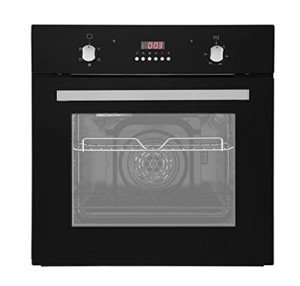
A built-in oven is a type of oven that is integrated into the cooking area cabinets, offering a smooth, seamless appearance. Unlike conventional freestanding systems, which stand alone and typically dominate the kitchen area, built-in ovens are created to fit flush within cooking area cabinets, using a streamlined and modern appearance. They come in various configurations, including single, double, or perhaps wall-mounted alternatives, permitting a customized approach to cooking.
Advantages of Built-In Ovens
1. Space-Saving Design
Among the most significant benefits of built-in ovens is their ability to conserve space. Because they incorporate straight into cabinetry, they free up floor space in the kitchen area, enabling for higher flexibility in design and style. This makes them an ideal option for smaller cooking areas or those looking to develop a more open and spacious feel.
2. Visual Appeal
Built-in ovens contribute considerably to the overall visual of the kitchen. They develop a clean and cohesive look by blending in with the kitchen cabinetry, which can boost the overall style and worth of the home. With intergrated oven and hob of surfaces readily available-- such as stainless-steel, matte black, or custom cabinets panels-- they can suit any design style from modern-day to conventional.
3. Improved Cooking Features
Numerous built-in ovens are equipped with sophisticated cooking technologies, such as convection cooking, steam assist, and clever innovation. These features not only improve cooking performance however also offer higher benefit, permitting accurate temperature level control and more flexible cooking approaches. Home cooks can make the most of functions such as self-cleaning alternatives, programmable settings, and even Wi-Fi connectivity.
4. Increased Ergonomics
Built-in ovens can be installed at eye level, which eliminates the need to bend down to look at dishes or obtain hot trays. This height modification makes cooking safer and more comfortable, especially for those with movement challenges.
Versatility in Cooking
One of the essential advantages of built-in ovens is their flexibility. They can be discovered in different designs to accommodate any cooking preferences, from traditional ovens to convection and steam ovens. Additionally, many models include extra features like rotisserie functions, dehydrators, and even air frying capabilities. Built-in ovens enable a variety of cooking designs and methods, catering to everyone from novice cooks to culinary enthusiasts.
Types of Built-In Ovens
Single Ovens: A single built-in oven is enough for most homes, enabling ample cooking space for daily meals.
Double Ovens: Perfect for larger households or those who amuse regularly, double ovens offer additional cooking capacity and flexibility.
Wall Ovens: These are mounted in the wall at eye level, permitting for a chic appearance and practical access.
Steam Ovens: These make use of steam for cooking, helping to retain nutrients in food and offering a much healthier cooking method.
Choosing the Right Built-In Oven
When picking a built-in oven, there are a number of factors to think about to ensure it meets your cooking needs and incorporates effortlessly into your kitchen style.
1. Size and Configuration
Measure the available area in your cooking area, taking into consideration the measurements of the cabinetry. Built-in ovens can be found in numerous sizes, so picking one that fits properly is essential.
2. Cooking Style
Consider your cooking design and frequency. If you frequently bake or amuse, a double oven may be advantageous. If you choose much healthier cooking choices, a steam oven might be ideal.
3. Functions and Technology
Examine the functions that are essential to you-- such as clever innovation, self-cleaning alternatives, or specific cooking modes. These functions can greatly boost your cooking experience.
4. Brand and Warranty
Research reputable brands known for dependability and customer care. A good guarantee can likewise provide peace of mind concerning your financial investment.
Conclusion
The built-in oven is more than simply a cooking appliance; it is an important part of the kitchen's design and functionality. With their space-saving advantages, aesthetic appeal, and advanced cooking functions, built-in ovens fulfill the needs of modern-day living while adding worth to the home. Whether you're remodeling your kitchen or building a brand-new one, incorporating a built-in oven can raise your culinary adventures and boost your cooking experience. As you embark on your kitchen area journey, consider making this smart choice that combines style with performance.